OUPV vs. Master 100-Ton Captain's License: Which One Do You Actually Need?
The most common question Sea School advisors field from prospective students is some version of: "Which captain's license do I actually need?" It is a fair question — both the OUPV and the Master 100-Ton lead to the same Merchant Mariner Credential (MMC) issued by the U.S. Coast Guard, and both are fully USCG-approved. But they are not interchangeable, and choosing the wrong one can leave money on the table or, worse, put you out of compliance on the water.
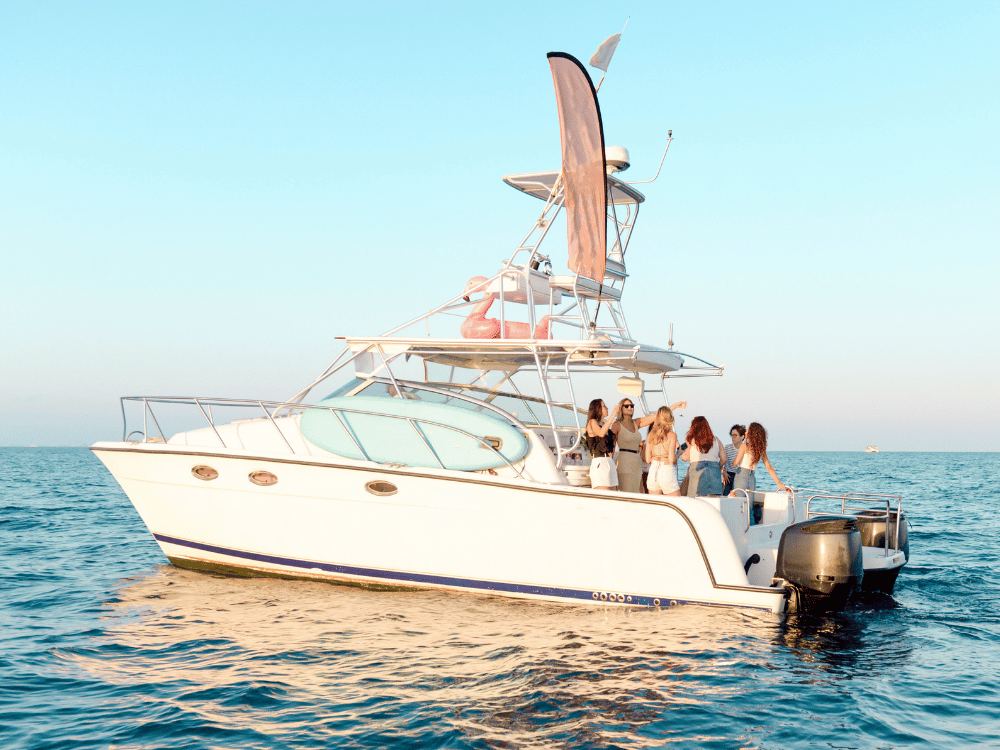
The most common question Sea School advisors field from prospective students is some version of: "Which captain's license do I actually need?" It is a fair question — both the OUPV and the Master 100-Ton lead to the same Merchant Mariner Credential (MMC) issued by the U.S. Coast Guard, and both are fully USCG-approved. But they are not interchangeable, and choosing the wrong one can leave money on the table or, worse, put you out of compliance on the water.
The decision comes down to three things: how many paying passengers you plan to carry, what type of vessel you will operate, and how much documented sea time you have right now. Work through those three filters and the answer becomes straightforward. By the end of this guide — written from 49 years of advising mariners through this exact decision — you will know which license fits your goals and how to get there.
The 30-Second Answer
If you are short on time, here is the comparison in plain terms:
OUPV (Six-Pack)
- Paying passengers allowed: up to 6 [¹]
- Vessel type: uninspected vessels only
- Sea time required: 360 days [²]
- Best for: fishing charters, dive boats, small tours, sailing instruction
- Sea School course: OUPV Six-Pack Course
Master 100-Ton (Inland)
- Paying passengers allowed: 7 or more [¹]
- Vessel type: inspected and uninspected
- Sea time required: 360 days (90 on intended inland waters) [²]
- Best for: lake, river, bay, and harbor operations with larger passenger counts
- Sea School course: Master 100-Ton Course
Master 100-Ton (Near Coastal)
- Paying passengers allowed: 7 or more [¹]
- Vessel type: inspected and uninspected
- Sea time required: 720 days (360 near-coastal/ocean) [²]
- Best for: party boats, dinner cruises, offshore charters, coastal ferries
- Sea School course: Master 100-Ton Course
If you need to carry six passengers or fewer on an uninspected vessel, the OUPV gets you there in half the sea time. If you want to run a party boat, a dinner cruise, or any operation with seven or more paying passengers, you need the Master — along with a USCG-inspected vessel to match.
What "OUPV" and "Master" Actually Mean
Before getting into the differences, it helps to understand what the USCG means by each term.
OUPV — Operator of Uninspected Passenger Vessels
The OUPV is commonly called the "six-pack license" because it authorizes you to carry up to six paying passengers. The word uninspected refers to the vessel, not the operator — it means the boat is not subject to USCG certificate-of-inspection standards (more on that shortly). The license covers vessels of 100 gross register tons (GRT) or less and is available in both Inland and Near Coastal routes, with Near Coastal allowing operation up to 200 miles offshore.
Master — Inland vs. Near Coastal
The Master credential authorizes operation of both inspected and uninspected vessels up to 100 GRT. The tonnage on your license — 25, 50, or 100 tons — is determined by the size of vessels you documented in your sea service records. [²] With a Master license on an inspected vessel, there is no six-passenger ceiling; your passenger limit is set by the vessel's Certificate of Inspection.
There are two route variants of the Master license, and the distinction matters:
Master Inland covers designated inland waters — harbors, rivers, bays, and similar protected waters — and does not authorize Near Coastal or offshore operation. It requires 360 days of total sea service (the same as OUPV), with 90 of those days on the specific inland waters you want to operate on, and 90 days within the last three years. [²] This is a meaningful option for operators who work exclusively on lakes, bays, rivers, or protected harbors and do not need offshore range.
Master Near Coastal extends your operating authority up to 200 miles offshore and is the more common choice for captains in coastal states. It requires 720 total days of sea service, with at least 360 of those days on near-coastal or ocean waters, and 90 days within the last three years. [²]
Both variants authorize operation of inspected and uninspected vessels. The right choice depends entirely on where you plan to work.
The Key Differences That Actually Matter
Passenger Limits — The 6-Passenger Rule
Under federal law, the moment any passenger aboard your vessel is paying — even one — you are operating "for hire" and must hold a valid USCG captain's license. [¹] The OUPV caps that at six paying passengers. That number is not a guideline; it is a hard legal limit tied directly to your vessel's uninspected status under 46 U.S.C. § 8304.
If you want to carry seven or more paying passengers, you need two things working together: a Master license AND a USCG-inspected vessel with an active Passenger Vessel Safety Certificate (Certificate of Inspection). Neither one alone is sufficient.
In practical terms:
- A fishing guide running a six-person inshore charter → OUPV
- A snorkel tour operator running four-person day trips → OUPV
- A sailing instructor taking paying students out on a 42-foot sloop → OUPV
- A party boat captain running 25-person sunset cruises on an inspected vessel → Master
- A small ferry operator connecting marina slips → Master
Vessel Inspection — The Detail Most Students Miss
This is the point that surprises more Sea School students than any other: the license and the vessel certificate are completely separate requirements.
When the USCG inspects a passenger vessel, it evaluates the boat's design, firefighting equipment, life-saving gear, stability characteristics, and emergency procedures. If the vessel passes, it receives a Certificate of Inspection (COI) that specifies exactly how many passengers it is authorized to carry. [³]
A Master license does not automatically let you carry 30 passengers on any boat you step onto. If the vessel has no COI, you are still capped at six paying passengers — even with a Master 100-Ton credential in your wallet. Operators who exceed the six-passenger limit on uninspected vessels face federal violations regardless of which license they hold.
If your business plan eventually involves larger groups, the vessel conversation needs to happen alongside the licensing conversation. Sea School advisors can help you think through both sides of that equation.
Sea Time — Can You Qualify Right Now?
Sea time is often the deciding factor in which license to pursue first. Here are the requirements in plain terms:
OUPV: 360 total days of sea service, with at least 90 of those days within the last three years. [²]
Master Inland: 360 total days of sea service (same threshold as OUPV), with 90 days on the specific inland waters you intend to operate on, and 90 days within the last three years. [²] If your operation is entirely on inland waters, this may be achievable on the same timeline as the OUPV.
Master 100-Ton Near Coastal: 720 total days of sea service, with at least 360 days on near-coastal or ocean waters, and 90 days within the last three years. [²]
The practical math: if you have 400 days of documented sea time and work on a lake or river, you may qualify for both the OUPV and the Master Inland right now. If you are aiming for Near Coastal, you need to double your sea time first. And if you have 650 total days but only 280 near-coastal, pursue the OUPV or Master Inland first — you do not yet meet the offshore breakdown for Master Near Coastal. Upgrading later is a well-worn path; see the section below.
For a complete walkthrough of how to document your sea time correctly, see our guide on how to get a captain's license.
What You Can Do With Each License
An OUPV is the right tool for:
- Inshore and offshore fishing charters (up to 6 passengers)
- Scuba and snorkel tours
- Sailing instruction and bareboat charters
- Water taxi services (up to 6 passengers)
- Guided kayak and paddleboard tours with motorized support vessels
- Wildlife and eco-tours
- Private yacht delivery (no paying passengers required)
- Dive boat operations
A Master 100-Ton opens the door to:
- Party boats and pontoon cruises with 7 or more paying passengers
- Dinner and sunset cruises on inspected vessels
- Small ferry and water shuttle operations
- Head boats and larger offshore charter operations
- Any USCG-inspected passenger vessel requiring a licensed master
- Mate positions on larger commercial vessels (in some cases)
Cost and Time: What to Budget for Each Path
Both licenses involve the same government fee structure — $100 for the original officer endorsement plus $45 for MMC issuance, totaling $145 paid through Pay.gov. [⁴] The difference is primarily in course tuition and the sea time investment before you can even apply.
OUPV path: Sea School's OUPV course runs five days in-person (available at our Florida, South Carolina, and Alabama locations) or self-paced online. Total all-in cost for most students — course, government fees, TWIC card, drug test, and physical — runs approximately $1,300 to $1,600. For a complete breakdown, see our Captain's License Cost guide.
Master 100-Ton path: Sea School's Master curriculum is broader, covering vessel inspection requirements, stability, and crew management topics that the OUPV course does not include. Total all-in cost typically runs $1,600 to $1,900. The bigger investment, practically speaking, is the additional sea time — 360 more days on the water before you can apply.
Can You Start With OUPV and Upgrade Later?
Yes — and this is the most common path Sea School students take.
Getting your OUPV is not a dead end. It is the entry point for most working captains, and the upgrade to Master is a structured process rather than starting from scratch. Once you have accumulated the additional sea time and completed a USCG-approved upgrade course, you submit an application to amend your existing MMC. You do not retake the full exam from the beginning.
Sea School offers upgrade courses specifically designed for OUPV holders who are ready to move up. Many of our students get their six-pack license first, build their charter business, accumulate sea time on the job, and transition to Master 100-Ton when their passenger volume justifies it. That is a financially logical sequence: the OUPV pays for itself while you build toward the upgrade.
The one thing to watch is not letting your credential expire during the upgrade period. Keep your MMC current — renewal is required every five years — so you are not required to re-satisfy all original requirements.
Which License Should You Get? A Simple Decision Framework
Work through these three questions in order:
Question 1: Do you need to carry more than 6 paying passengers?
- Yes → You need a Master license. You will also need a USCG-inspected vessel.
- No → OUPV likely covers your operation. Continue to Question 2.
Question 2: Where will you operate — inland waters only, or coastal/offshore?
- Inland waters only (lakes, rivers, bays, harbors) → Master Inland or OUPV are your options.
- Coastal or offshore → You need a Near Coastal endorsement on your OUPV or Master.
Question 3: How many documented sea days do you have?
- Fewer than 360 days → Build sea time first, then pursue OUPV or Master Inland.
- 360+ days (with 90 on the relevant waters) → You qualify for OUPV or Master Inland right now.
- 720+ days (with at least 360 near-coastal) → You qualify for Master 100-Ton Near Coastal directly.
Question 4: What type of vessel will you operate?
- Small, uninspected vessel — typical for fishing guides, dive operations, sailing instruction → OUPV is the right fit.
- USCG-inspected vessel with capacity for 7 or more passengers → Master license required (Inland or Near Coastal depending on your waters).
If you work through those questions and still are not sure, call us. Sea School advisors have helped more than 7,500 students a year make this exact decision, and a five-minute conversation usually settles it.
Enroll in the OUPV Six-Pack Course →
Enroll in the Master 100-Ton Course →

All the answers you’ll need before enrolling in any of our courses
The OUPV (Operator of Uninspected Passenger Vessels) allows you to carry up to six paying passengers on uninspected vessels up to 100 GRT. The Master 100-Ton allows you to carry seven or more paying passengers, operate USCG-inspected vessels, and take on a broader range of commercial maritime work — but the Near Coastal Master's License requires 720 days of sea service compared to the OUPV's 360. [¹] [²]
No. Six paying passengers is the federal legal limit for uninspected vessels operating for hire. [¹] Carrying seven or more paying passengers requires both a Master license and a USCG-inspected vessel with an active Certificate of Inspection specifying that passenger capacity. The license and the vessel certificate are separate requirements — a Master license alone does not override the six-passenger limit on an uninspected boat.
Is a Master 100-Ton license harder to get than an OUPV?
Can I upgrade from OUPV to Master 100-Ton later?