QMED Requirements: What You Need to Start Your Engine Room Career
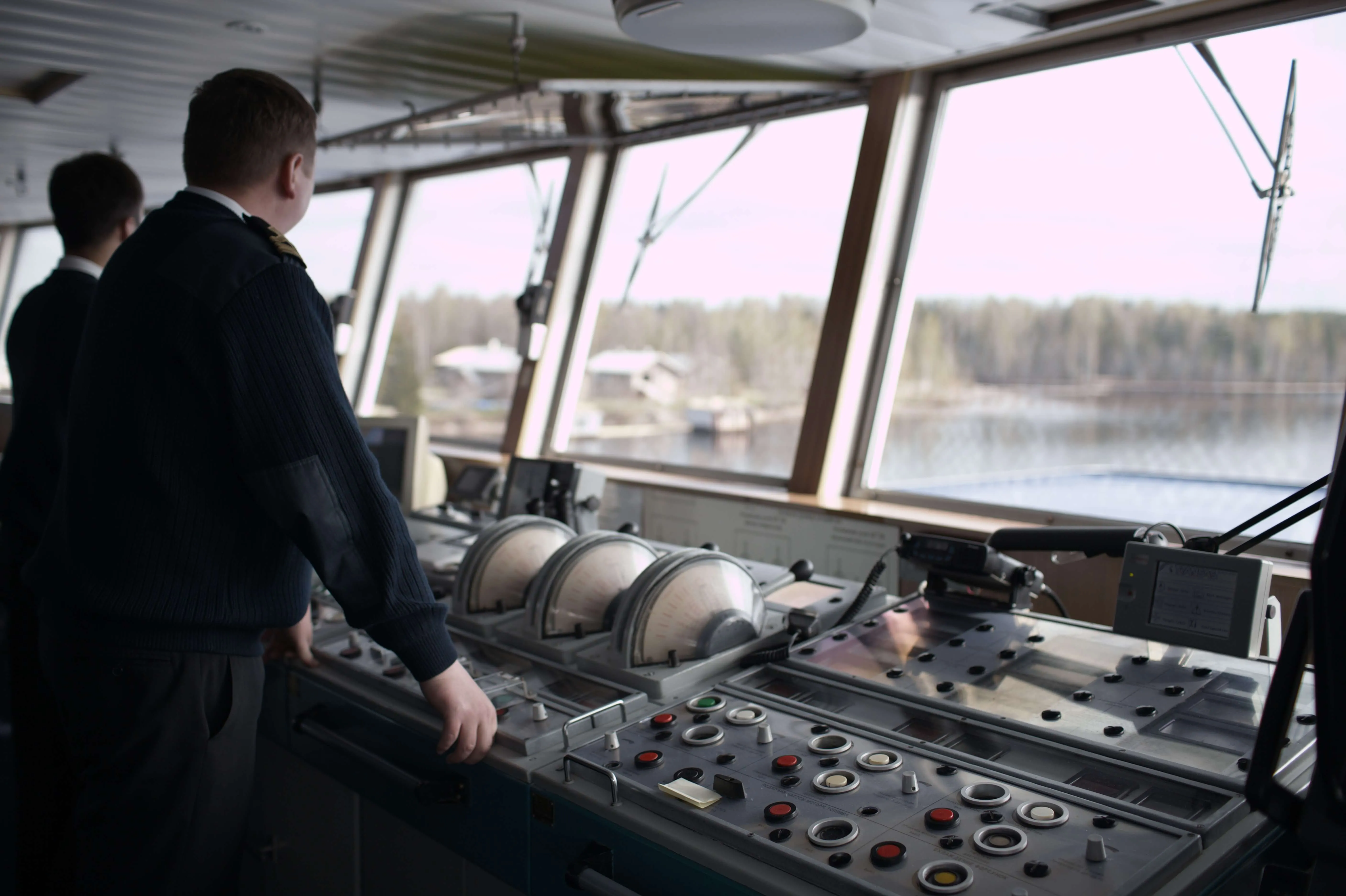
Step into any engine room, and you’ll feel it immediately – the heat, the vibration, and the steady rhythm of machinery working around the clock.
Introduction
Step into any engine room, and you’ll feel it immediately – the heat, the vibration, and the steady rhythm of machinery working around the clock.
It’s the heart of the vessel, and keeping it running safely takes a skilled, well-trained team. One of the first roles in that team is the Qualified Member of the Engine Department, more commonly known as QMED.
If you’ve been wondering what a QMED is, what the job looks like in real life, or what QMED requirements you need before you can get started, you’re in the right place.
In this guide, we’ll walk through the meaning of the role, the day-to-day duties, and the exact qualifications required to earn your first QMED endorsement.
What is QMED?
A QMED, or Qualified Member of the Engine Department, is the mariner who helps keep the vessel’s propulsion and engine systems running safely and smoothly.
It’s the first major step into a career below deck, and the role every future marine engineer builds on.
What Does a QMED Do?
A QMED is deeply involved in the daily operations of the engine room. They support the engineering team by keeping machinery running smoothly, responding to equipment issues, and helping maintain a safe working environment below deck.
Core Responsibilities
A QMED’s responsibilities go far beyond just “helping out” in the engine room. They’re trusted with work that directly impacts the safety, reliability, and efficiency of the vessel.
Some of the most common responsibilities include:
- Supporting engine operations by helping start, monitor, and shut down machinery during the watch.
- Conducting routine rounds to check temperatures, pressures, oil levels, and the overall health of critical systems.
- Assisting with maintenance and repairs, from changing filters and gaskets to helping overhaul pumps or engines under supervision.
- Monitoring fuel, lube oil, and cooling systems to ensure everything stays within safe operating limits.
- Keeping detailed logs and records for engineers and the bridge, documenting system readings and any irregularities.
- Responding to onboard drills including fire, flooding, and man-overboard – where the engine team plays a major role in emergency readiness.
These responsibilities help build the experience and confidence needed for higher-level engineering endorsements.
Daily Tasks in the Engine Room
QMEDs support the engine department through routine checks, hands-on maintenance, and continuous monitoring of shipboard systems. The work is technical, practical, and repetitive by design, but that exact repetition is what keeps machinery reliable.
Typically, engine rooms operate around the clock, so watch schedules rotate and tasks shift depending on the vessel, route, and operating conditions.
Start of Watch: Machinery Rounds
Each watch begins with a complete walk-through of the engine room and auxiliary spaces. The QMED checks for leaks, abnormal temperatures, unusual noises, vibration, and visible wear.
Any irregularity is reported immediately to the engineer on watch.
System Monitoring and Readings
Throughout the watch, the QMED monitors operating systems and records readings as required. This commonly includes:
- Lubrication systems
- Cooling water systems
- Generators and electrical equipment
- Steering gear
- Bilges and alarms
Accurate readings help identify developing issues before failures occur.
Maintenance Support
Under the direction of licensed engineers, QMEDs also perform routine maintenance tasks such as:
- Cleaning strainers and filters
- Changing or topping off oils and fluids
- Greasing bearings and fittings
- Tightening fasteners
- Assisting with minor repairs
This work forms the foundation of preventive maintenance.
Assisting With Transfers
When fuel, lube oil, or water transfers are conducted, QMEDs assist with valve lineups, monitor tank levels, and watch system pressures.
Clear communication and steady monitoring are required throughout the whole operation.
Engine Room Housekeeping
Maintaining clean, organized machinery spaces is part of daily responsibility. QMEDs remove oil residue, manage waste, store tools properly, and keep walkways clear.
Good housekeeping directly supports fire prevention and safe movement in the engine room.
Watch Turnover
At the end of the watch, the QMED updates logs and briefs the incoming watch on system status, ongoing work, and any abnormalities.
Clear turnover prevents missed issues and keeps operations continuous.
Drills and Ongoing Training
QMEDs regularly participate in emergency drills and safety training. These include fire response, flooding control, and machinery failure scenarios.
Safety and Environmental Duties
Safety and environmental protection are core responsibilities for every QMED. Engine rooms contain heat, pressure, fuel, and electrical systems, which means small oversights can quickly become serious problems.
QMEDs help manage that risk by staying alert, following procedures, and supporting the engineering team at all times.
🔍 Hazard Recognition and Early Detection
QMEDs are expected to notice subtle changes before they become failures. This includes detecting fuel or oil odors, visible leaks, rising temperatures, pressure fluctuations, abnormal vibrations, or unusual sounds from machinery.
Early reporting allows engineers to correct issues before they lead to fires, flooding, or equipment damage.
🔥 Fire Prevention and Firefighting Readiness
Fire prevention starts with discipline.
QMEDs support this by keeping machinery spaces clean, removing oil residue, monitoring hot surfaces, and ensuring insulation and guards are in place. They also make sure fire extinguishers, hoses, and fixed systems remain accessible and unobstructed.
During drills or real emergencies, QMEDs follow assigned roles and assist engineers without hesitation.
Check out our latest article on how to safely handle fire on boats!
🌊 Pollution Prevention and Environmental Protection
Preventing pollution is a constant responsibility in the engine department. QMEDs help ensure bilges are managed properly, oily water systems are operated correctly, and waste oils, chemicals, and absorbents are handled according to regulations.
🧤 Proper Use of Personal Protective Equipment (PPE)
QMEDs wear PPE appropriate to the task and environment. Depending on the job, this may include gloves, eye protection, hearing protection, flame-resistant clothing, or respiratory protection.
Using the correct PPE reduces injury risk and supports safe, professional engine-room operations.
🚨 Emergency Response Support
When an abnormal condition or emergency occurs, QMEDs act methodically. They assist with emergency shutdowns, help isolate affected systems, and support firefighting or flooding control efforts as directed.
📋 Compliance, Communication, and Reporting
QMEDs help maintain regulatory and company compliance by following established procedures, completing logs accurately, and reporting unsafe conditions immediately.
Safety Reminder: A QMED is never expected to work through an unsafe condition. Speaking up, pausing the job, and asking for direction are signs of professionalism, not weakness. In the engine room, attention to detail protects lives, machinery, and the marine environment
Ordinary Seaman vs. Wiper vs. QMED: What’s the Difference?
When you’re starting out in the maritime industry, job titles can sound confusingly similar. Ordinary Seaman, Wiper, and QMED are all entry points, but they don’t lead in the same direction.
Understanding the difference matters, because each role builds different skills, comes with different responsibilities, and sets you on a specific career track.
Here’s a quick table below breaks down on how these positions compare in day-to-day work, training requirements, and long-term opportunities.
Remember, there’s no wrong starting point. The right one depends on whether your future is on deck or in the engine room. For those drawn to machinery, systems, and technical problem-solving, QMED is the path that turns hands-on work into long-term opportunity.
Types of QMED Endorsements
The Qualified Member of the Engine Department (QMED) credential isn’t a single, one-size-fits-all role. The U.S. Coast Guard issues specific QMED ratings, each tied to different engine-room duties and career paths.
Some mariners earn one endorsement. Others hold multiple, depending on vessel type and long-term goals.
Below are the main QMED endorsements you’ll see in the industry and what each one actually means on board.
QMED - Oiler
The QMED Oiler is the most common and widely held engine-room endorsement.
Oilers support the daily operation and maintenance of propulsion and auxiliary machinery. Their work focuses on keeping systems running smoothly and catching problems early.
Typical duties include:
- Performing routine engine-room rounds and inspections
- Monitoring temperatures, pressures, and fluid levels
- Lubricating machinery and bearings
- Cleaning strainers, filters, and machinery spaces
- Assisting engineers with maintenance and repairs
🔸 This endorsement is often the first major step toward becoming a licensed engineer and is accepted on a wide range of vessels.
QMED - Fireman/Watertender
This endorsement focuses on boiler operations and steam systems, which are still used on certain vessels and facilities.
Fireman/Watertenders assist with:
- Operating and monitoring boilers
- Managing water levels and fuel supply
- Maintaining steam pressure and temperature
- Inspecting boiler-related piping and equipment
🚨While less common on modern vessels, this endorsement remains valuable on steam-powered ships and in certain industrial marine environments.
QMED - Junior Engineer
The Junior Engineer endorsement reflects a higher level of technical responsibility.
Junior Engineers:
- Assist licensed engineers with advanced maintenance
- Work more closely with propulsion systems
- Support troubleshooting and system repairs
- Help supervise other engine-room personnel
❗This endorsement is often held by mariners who already have solid experience and are working toward Assistant Engineer or higher licenses.
QMED - Electrician/Refrigerating Engineer
This endorsement applies to mariners who specialize in electrical systems or refrigeration equipment.
Depending on the vessel, duties may include:
- Maintaining generators and electrical distribution systems
- Troubleshooting motors, controls, and wiring
- Servicing refrigeration and air-conditioning systems
- Supporting cargo refrigeration on certain vessels
⭐ Electrical and refrigeration expertise is in high demand, especially on larger vessels and ships with complex systems.
QMED - Pumpman/Machinist
This endorsement focuses on cargo-handling equipment and mechanical systems, often seen on tank vessels and specialized ships.
Pumpman/Machinists typically assist with:
- Operating and maintaining pumps and piping systems
- Supporting cargo transfer operations
- Maintaining valves, compressors, and hydraulic systems
- Performing precision mechanical work and repairs
Where you’ll see it most: Tank vessels, product carriers, and ships with complex fluid-handling systems.
Which QMED Endorsement Should You Choose?
Many mariners start with QMED Oiler, then add endorsements as their career develops. The right choice depends on:
- Vessel type
- Employer requirements
- Your long-term engineering goals
How Much Does a QMED Make?
QMED pay varies based on endorsement, vessel type, route, and schedule, but it’s widely considered a strong-paying entry point into the engine department. Here’s what most mariners can realistically expect:
Typical QMED Pay Ranges (U.S.)
- $250–$350 per day on inland and coastal vessels
- $4,000–$6,000 per month on many rotation schedules
- $55,000–$75,000 per year for steady, full-time work
What Affects QMED Pay
- Endorsement held (Oiler vs. Electrician/Refrigeration, etc.)
- Vessel type (tugs, ATBs, tankers, offshore vessels)
- Route (inland rivers, coastal, offshore, international)
- Schedule (14/14, 28/28, day work, relief work)
- Company and union contracts
Higher-Earning Situations
- Specialized endorsements (electrical, refrigeration)
- Tank vessels or offshore work
- Longer rotations with overtime
- Companies with strong safety and training programs
Career Pay Progression
One of the biggest advantages of starting as a QMED is upward mobility:
- Many QMEDs upgrade to Assistant Engineer
- Engineer licenses come with significant pay increases
- Sea time earned as a QMED counts toward future upgrades
QMED Requirements (Complete Checklist)
Working in the engine department isn’t something you step into unprepared.
A QMED works around heat, pressure, fuel, and heavy machinery every day, so the Coast Guard sets clear standards to make sure you’re ready before you ever stand a watch below deck.
Here’s exactly what you need to qualify.
Basic Eligibility Requirements
Before you focus on sea time or exams, you’ll need the fundamentals in place:
- Be at least 18 years old
- Hold, or be in the process of applying for, a Merchant Mariner Credential (MMC)
- Have a valid TWIC card to access secure vessels and terminals
- Meet U.S. citizenship or residency requirements tied to your MMC
These are the building blocks that allow you to work legally in the engine department.
Sea Service Requirements
QMED endorsements are earned through real engine-room experience, not just classroom time. You’ll need documented sea service performing engine-department duties on appropriate vessels.
While the exact requirement depends on the endorsement you’re pursuing, the Coast Guard generally requires:
- At least 180 days of engine-room sea service for most QMED endorsements
- Sea time must be performed in the engine department (commonly as a Wiper or engine-room assistant)
- Service must be on commercial vessels where propulsion and auxiliary machinery are in operation
For higher-responsibility endorsements or multiple QMED ratings, additional sea time may be required.
Pass the Coast Guard QMED Exam
Most QMED endorsements require passing a U.S. Coast Guard examination specific to that rating.
These exams test your understanding of:
- Engine-room operations and maintenance
- Machinery systems and components
- Safety procedures
- Environmental protection practices
The goal is to confirm you can apply practical knowledge, not just memorize terms.
Complete Safety Training That Supports Engine-Room Work
While QMED endorsements are primarily earned through sea time and exams, certain training plays an important supporting role.
Many mariners complete:
- Basic Firefighting (BFF) to build engine-room fire response skills
- CPR and First Aid, often required by employers
These courses don’t replace sea time, but they prepare you to respond effectively when emergencies happen below deck.
Know When STCW Applies
Not every QMED needs STCW training, but some do. You’ll typically need STCW Basic Training if you plan to work on:
- Seagoing vessels operating internationally
- Vessels required to comply with STCW regulations
For inland or domestic-only vessels, STCW may not be required, but it can expand job opportunities and vessel eligibility.
Meet Medical and Drug Testing Standards
Engine-room work is physically demanding and safety-critical. The Coast Guard requires:
- A valid Medical Certificate from a CG-719K exam
- A DOT-compliant drug test or enrollment in an approved testing program
These standards must be maintained throughout your career, not just at application time.
Expect Company-Specific QMED Requirements
Beyond Coast Guard rules, many employers also look for:
- A strong safety mindset
- Good communication and teamwork
- Willingness to work rotating watches and extended schedules
- Additional company or vessel-specific training after hire
How Long Does It Take to Become a QMED?
There’s no stopwatch on the path to becoming a QMED. The timeline depends almost entirely on how quickly you build real engine-room sea time.
If you’re already working below deck and standing regular watches, the process can move surprisingly fast. If you’re just getting started, it takes longer, but the steps are still straightforward.
Here’s what most mariners experience:
- Around 6 to 12 months if you’re actively sailing in the engine department and consistently logging sea time
- Closer to 12 to 24 months if you’re building experience more gradually or transitioning into the engine room from another role
- Additional time if you plan to earn multiple QMED endorsements or work on shorter rotations
Once your sea service is complete, the remaining steps, studying for the exam, scheduling testing, and submitting your application, usually take a few additional weeks.
Final Words: Ready to Step Below Deck?
Starting a career in the engine room can feel like a big move, and in many ways, it is.
The machinery is complex, the environment is demanding, and the responsibility is real. But with the right preparation and a clear path forward, checking off all the QMED requirements becomes an achievable and rewarding step into the maritime industry.
The good news? You don’t have to figure it out on your own. With a solid plan, consistent sea time, and the right training along the way, the process becomes clearer and far more manageable.
At Sea School, we support mariners at every stage of that journey, from building foundational safety skills to preparing for the next upgrade when you’re ready.
Because at the end of the day, a strong engine-room career isn’t about shortcuts. It’s about preparation, confidence, and being ready when it counts.

All the answers you’ll need before enrolling in any of our courses
Not always. The Coast Guard normally requires candidates to pass a QMED examination, but approved training programs, like Sea School’s QMED Oiler course, can serve as an exam substitution when completed successfully. This allows mariners to qualify through structured, hands-on training instead of testing alone.
Yes. QMEDs are commonly employed on tank vessels, offshore supply vessels, tugboats, cargo ships, and government vessels. Your eligibility depends on the vessel type, company requirements, and whether you hold any additional endorsements or training needed for that operation.
For mariners interested in the engine department, QMED is one of the strongest long-term career foundations. It builds practical experience, qualifies you for watchstanding duties, and creates a clear path toward licensed engineer positions with additional sea time and Coast Guard licensing.
Yes. QMED is a recognized stepping stone toward becoming a licensed engineer. With additional engine-room sea time, approved training, and successful Coast Guard examinations, QMEDs can advance to positions such as Designated Duty Engineer (DDE) or Assistant Engineer, and continue progressing through higher engineering licenses over time.